
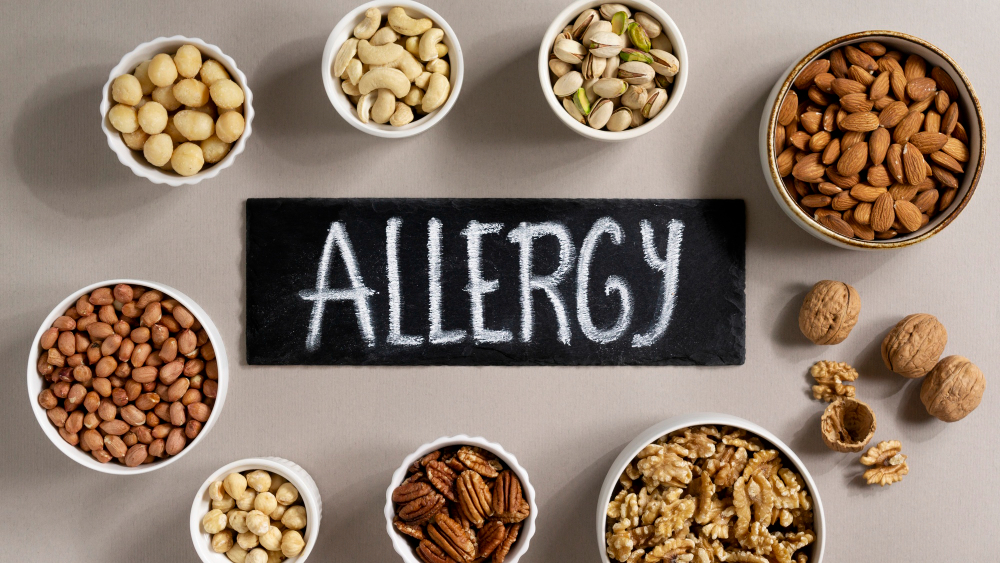
Food allergies in adults are more common than many people think. While most allergies start in childhood, adults can develop new allergies at any age. Because reactions can be serious, it is important to know the signs and how to prevent them. In this guide, you will learn about adult food allergy symptoms, causes, and ways to manage and prevent reactions. The information here is based on trusted sources like the CDC and World Health Organization (WHO).
What Are Food Allergies in Adults?
Food allergies in adults happen when the body’s immune system reacts to certain foods. Usually, the immune system protects you from germs. However, with a food allergy, it mistakes a harmless food as a threat. As a result, your body releases chemicals that cause allergy symptoms. Unlike food intolerance, food allergies can cause severe reactions. For example, even a small amount of the food can trigger symptoms. Although children often outgrow allergies, adults may develop new ones later in life.
Common Symptoms of Food Allergies in Adults
Symptoms of food allergies in adults can appear within minutes or hours after eating. Sometimes, they are mild. Other times, they can be life-threatening. It is important to recognize these signs early. According to the CDC, common adult food allergy symptoms include:
In rare cases, adults may experience anaphylaxis. This is a severe reaction that can be deadly. Therefore, seek emergency help if you have trouble breathing or feel faint after eating.
Causes and Risk Factors
Many factors can cause food allergies in adults. Sometimes, the immune system changes over time. As a result, you may become allergic to foods you ate safely before. The CDC notes that common adult food allergens include peanuts, tree nuts, shellfish, fish, milk, eggs, wheat, and soy. However, any food can cause an allergy.
Several risk factors make food allergies more likely:
Because risk factors vary, it helps to know your own health history. For example, if you have other allergies, you may be at higher risk.
How Food Allergies Are Diagnosed
If you think you have a food allergy, it is important to see a doctor. First, your doctor will ask about your symptoms and health history. Then, they may suggest tests to confirm the allergy. For example, you may have:
Because some reactions can be severe, only a trained doctor should diagnose food allergies. According to the WHO, self-diagnosis can be risky and lead to unnecessary food restrictions.
Prevention Tips for Food Allergies in Adults
While you cannot always prevent food allergies from developing, you can lower your risk of reactions. Here are some tips for preventing food allergies in adults:
Additionally, always let friends and family know about your allergies. This way, they can help keep you safe during meals and gatherings.
Lifestyle Guidance for Managing Food Allergies
Managing adult food allergies takes planning, but you can still enjoy a full life. For example, you can try new recipes using safe ingredients. Also, many stores offer allergy-friendly foods. When traveling, bring safe snacks and a list of your allergies in the local language. Furthermore, join support groups to connect with others who have food allergies.
With these steps, managing adult food allergies becomes easier and safer. Remember, knowledge and preparation are key to preventing serious reactions.
Conclusion
If you have questions about food allergies or need help managing your symptoms, book a consultation with Dr. Usha Gaddam. Our team is here to support your health and safety.