
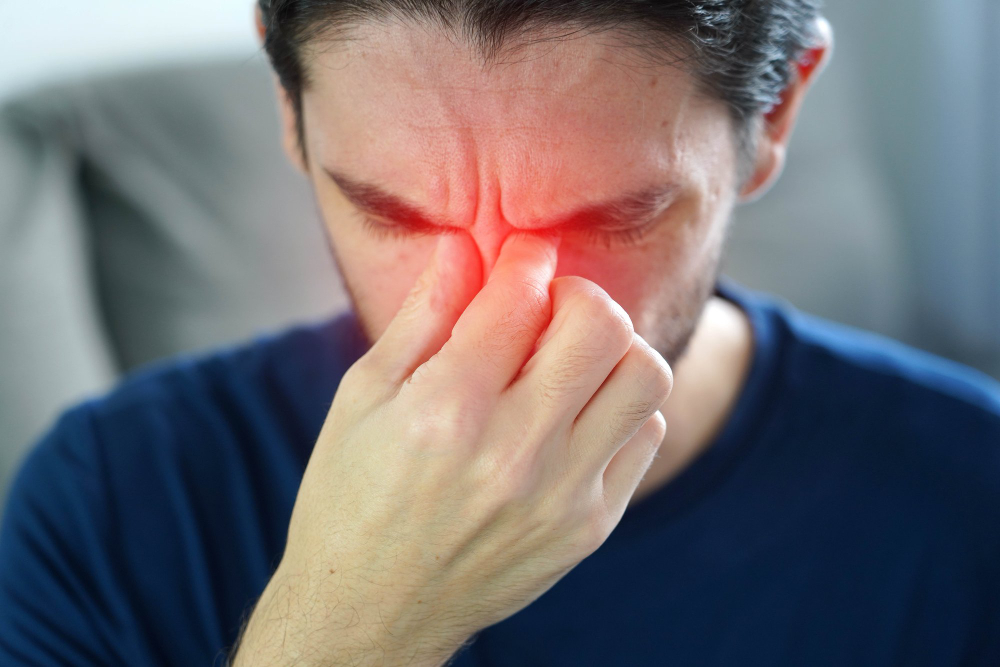
What Is Sinusitis?
Sinusitis is a condition where the spaces inside your nose and head, called sinuses, become swollen or inflamed. Often, this happens after a cold or allergy. Because of swelling, mucus can build up and cause discomfort. Sinusitis is also known as a sinus infection. In many cases, sinusitis goes away on its own. However, sometimes it needs treatment. According to the Centers for Disease Control and Prevention (CDC), sinusitis is a common reason people visit their doctor each year.
Common Symptoms of Sinusitis
Many people wonder about sinus infection symptoms. While symptoms can vary, some are more common than others. For example, you may notice:
Sometimes, these symptoms last only a few days. However, if they continue for more than 10 days, it may be sinusitis.
Causes and Risk Factors
Sinusitis can happen for many reasons. Most often, it starts after a viral infection, like a cold. However, bacteria or, less often, fungi can also cause it. In addition, allergies can lead to swelling in the sinuses. Some people are more likely to get sinusitis. For example, you may be at higher risk if you have:
Because of these risk factors, some people get sinus infections more often than others.
How Sinusitis Is Diagnosed
Doctors use several methods to diagnose sinusitis. First, they will ask about your symptoms and medical history. Next, they may look inside your nose with a special light. Sometimes, a gentle press on your face helps find tender areas. In some cases, your doctor may order tests. For example, they might suggest:
Usually, most cases of sinusitis are diagnosed based on your symptoms alone.
Treatment Options for Sinusitis
Many people ask how to treat sinusitis at home. For mild cases, simple care can help. For example, you can:
However, if symptoms last more than 10 days or get worse, you should see a doctor. Sometimes, antibiotics are needed if a bacterial infection is present. In rare cases, surgery may be needed to fix problems inside the nose. According to the CDC, most sinus infections do not need antibiotics.
Prevention and Lifestyle Tips
Because sinusitis can be bothersome, many people want to know about sinusitis prevention. You can lower your risk by following these tips:
With these steps, you can help protect your sinuses and reduce your chances of getting sinus infections.
Understand your condition and available treatment options with guidance from our specialists.